10 Surprising Revelations About Neanderthal Brains
Neanderthals have long been depicted as brutish and intellectually inferior to modern humans, but recent research paints a radically different picture. A groundbreaking study comparing MRI scans of modern human brains with casts of Neanderthal skull interiors (endocasts) reveals that our ancient cousins possessed brains that were not only comparable in size but also exhibited a surprising degree of variation—often more than what we see between Neanderthals and early Homo sapiens. This challenges long-held assumptions that brain anatomy dictates cognitive superiority and suggests that Neanderthals were likely just as smart, adaptable, and culturally complex as we are. Below, we explore 10 key insights from this research that are reshaping our understanding of human evolution.
1. Skull Shape Differences Don't Reflect Brain Function
At first glance, Neanderthal skulls appear strikingly different from ours—they are lower, longer, and possess a prominent brow ridge. However, these external differences are largely structural and do not directly correlate with brain performance. The study shows that the brain's outer contours, as captured by endocasts, vary more among individuals within the same species than between Neanderthals and modern humans. In other words, the shape of the braincase is a poor proxy for cognitive ability; what matters more is the internal organization and connectivity.
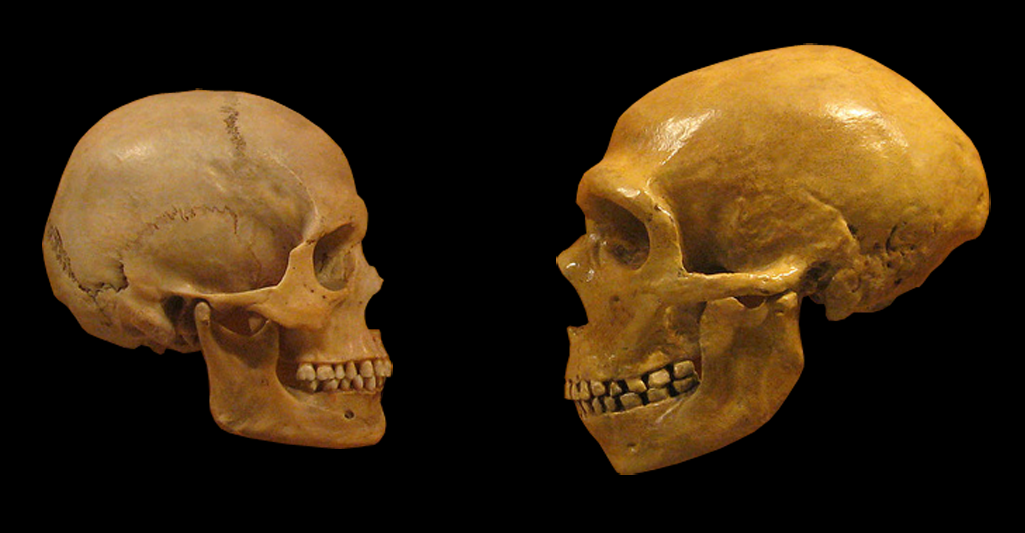
2. Endocasts: Fossils That Reveal Brain Shape
When a skull is buried for millennia, sediments sometimes fill the cranial cavity, creating a natural mold of the brain's surface—an endocast. Archaeologists also create artificial endocasts using digital scanning or casts of the skull's interior. These models preserve the outer folds and sulci, offering a glimpse into brain structure. The recent study used high-resolution endocasts from Neanderthal specimens spanning thousands of years, comparing them with MRI scans from living humans to highlight similarities and differences in brain proportions.
3. Brain Size Varies More Among Modern Humans
One of the most surprising findings is that the range of brain size among modern humans is actually greater than the difference between Neanderthals and Pleistocene Homo sapiens. Some modern individuals have brains as large as the largest Neanderthal brains, while others are smaller—yet all exhibit normal cognitive function. This wide variation underscores that brain volume alone is an unreliable metric for intelligence, especially across extinct species.
4. Bigger Brain Doesn't Mean Smarter
For decades, researchers assumed that a larger brain automatically conferred greater intelligence. However, modern neuroscience has debunked this myth. Brain size correlates only weakly with IQ, and factors like neuron density, synaptic connectivity, and regional specialization matter far more. The study's authors argue that because Neanderthal brains fall well within the modern human range, there is no anatomical reason to assume they were less intelligent.
5. Neanderthals Could Have Been as Cognitively Capable as Us
If brain size is not a limiting factor, then Neanderthals likely possessed comparable cognitive abilities. This is supported by archaeological evidence showing they made complex tools, controlled fire, buried their dead, and possibly created art. The new study adds a biological foundation to these behavioral clues, suggesting that the cognitive differences between our species were minimal—if they existed at all.
6. Overthrowing the Outcompeted-by-Smarter-Humans Narrative
The traditional story of Neanderthal extinction posits that modern humans drove them out by being cleverer and more adaptable. But if Neanderthal brains were equally capable, this narrative collapses. Instead, extinction may have resulted from demographic factors, interbreeding, climate change, or sheer luck. The study forces us to reconsider why we survived and they didn't—it wasn't because of a superior intellect.

7. Archaeological Record Supports Cognitive Similarity
Excavations across Europe and Asia have uncovered evidence of Neanderthal innovation: hafted spears, use of birch tar adhesive, and even jewelry made from eagle talons. These behaviors require planning, abstract thought, and social learning—hallmarks of modern cognition. The new neuroanatomical data aligns perfectly with this picture, providing a physical correlate for the sophisticated culture we already knew existed.
8. The Australopithecus Child's Natural Endocast
One of the most famous natural endocasts comes from an Australopithecus africanus child who died about 2.8 million years ago. Sediment filled the skull and later crystallized, creating a stunning half-rock, half-crystal brain mold. While not a Neanderthal specimen, it demonstrates the power of endocasts in evolutionary studies. The recent Neanderthal research builds on this century-old technique, now combined with modern imaging to reveal far more detail.
9. Historical Debate: A New Perspective
Since the first Neanderthal fossil was discovered in 1856, scientists have debated whether its brain was simply a primitive version of ours or fundamentally different. Early studies claimed Neanderthals had smaller frontal lobes, but later research refuted that. The current study's findings tilt the debate firmly toward similarity, showing that previous differences were likely due to small sample sizes and methodological biases.
10. Modern MRI Comparisons: A Leap Forward
Previous Neanderthal brain studies relied on crude measurements of endocasts. This research revolutionized the field by using MRI scans of living humans paired with 3D models of Neanderthal endocasts. This allowed for direct comparison of not just size, but shape, asymmetry, and gross anatomical features. The result is the most detailed assessment yet, proving that Neanderthal brains fit comfortably within the modern human range.
Conclusion: These ten points collectively shatter the stereotype of the dumb caveman. Neanderthal brains were not only similar in size to ours but also displayed comparable variation and likely supported equivalent cognitive abilities. As we continue to refine our methods, we may discover that the line between human species is far blurrier than we ever imagined. The next time you look at a Neanderthal skull, remember: inside that elongated braincase was a mind just as complex and capable as your own.